Tesla is putting nearly $250 million into battery-cell production at its Gigafactory Berlin-Brandenburg in Germany, increasing the facility’s planned annual battery-cell capacity from 8 gigawatt-hours (GWh) to 18 GWh.
The additional investment comes as Tesla works to expand battery production in Europe and bring more of its vehicle and battery manufacturing operations under one roof.
The move is significant because batteries have become one of the most strategically important parts of the electric-vehicle supply chain. For Tesla, producing more cells locally could reduce its dependence on batteries transported from elsewhere while giving the company greater control over manufacturing in Europe.
What exactly is Tesla investing in?
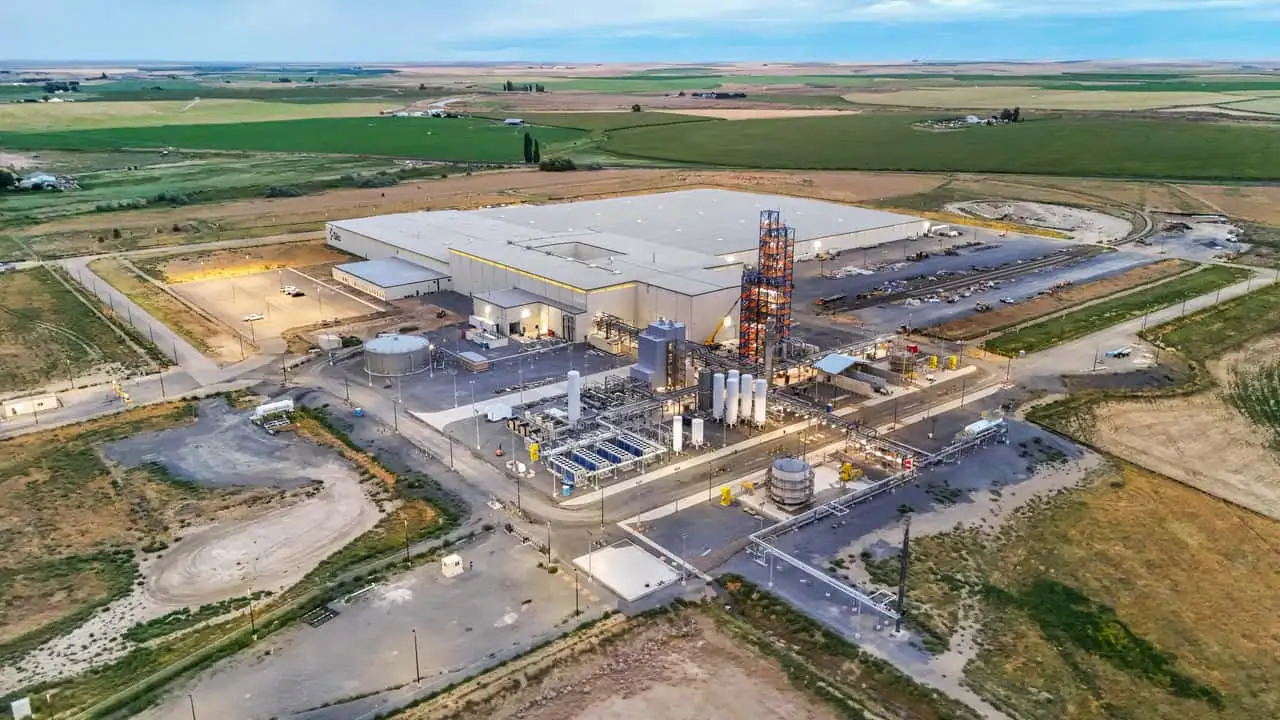
The new investment is focused on expanding battery-cell production at Tesla’s factory in Grünheide, near Berlin.
Tesla previously planned for the site to produce around 8 GWh of battery cells annually. The latest investment raises that target to 18 GWh per year.
That represents an increase of 10 GWh, or more than double the previous planned capacity.
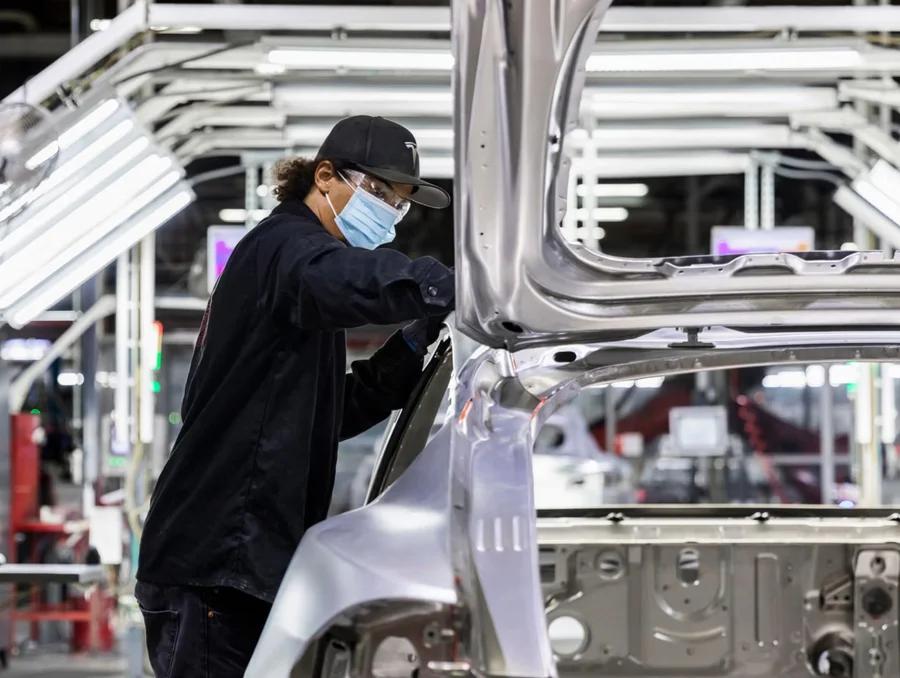
Tesla also expects the battery-cell expansion to require more than 1,500 employees. The company already employs almost 11,000 people at the Grünheide facility, according to Reuters.
The German factory is Tesla’s first major manufacturing facility in Europe and currently produces the Model Y. Tesla’s own website describes Berlin-Brandenburg as its first European Gigafactory and says the site manufactures both vehicles and battery cells.
Why does local battery production matter?
For an electric-vehicle manufacturer, the battery is much more than another component.
It is one of the most expensive and technically important parts of an EV, and battery production depends on a complex international supply chain involving raw materials, cells, electronics and manufacturing equipment.
Producing cells closer to the vehicles that use them can potentially simplify logistics and reduce the distance those components have to travel.
It can also give an automaker greater control over production and supply.
That is particularly important in Europe, where governments and manufacturers are increasingly interested in building more resilient local EV supply chains rather than depending heavily on imports.
Tesla’s investment therefore fits into a much larger industrial shift: the race to control battery manufacturing is becoming almost as important as the race to build electric vehicles.
What are Tesla’s 4680 battery cells?
Tesla’s investment is connected to production of its 4680-format battery cells.
The name comes from the cell’s approximate dimensions: 46 millimetres in diameter and 80 millimetres tall.
Tesla introduced the 4680 format as part of its efforts to improve battery manufacturing, reduce costs and increase the amount of energy that can be stored efficiently within its battery systems.
The company has been working on 4680 production for several years, but expanding production in Germany would give Tesla another important manufacturing base for the technology.
For Europe, that could eventually mean a greater share of the batteries used in locally produced Tesla vehicles being manufactured within the region.
Giga Berlin is already a major Tesla factory
Tesla’s Berlin factory is not a new project.
Vehicle production began at the site in 2022, and Tesla’s latest regulatory filing lists installed annual Model Y capacity at more than 375,000 vehicles.
That figure is important, but installed capacity should not be confused with actual production.
A factory capable of producing 375,000 vehicles does not necessarily manufacture that many vehicles every year. Production depends on demand, equipment availability, supply chains, factory upgrades and other operational factors.
That distinction is important when assessing what Tesla’s latest investment actually means.
The company is investing not simply because the factory can produce more vehicles, but because it wants to increase the amount of critical battery manufacturing taking place at the site.
Tesla is also expanding vehicle production
The battery investment comes alongside a broader expansion of the Grünheide operation.
In June, the Brandenburg state government said Tesla had announced an increase in production at the Gigafactory from October, accompanied by 1,000 additional jobs.
A separate July statement from the Brandenburg government said Tesla planned to create a total of 3,500 new jobs connected with increasing vehicle production and moving toward full battery production at the site.
This means the latest battery investment should not be viewed in isolation.
Tesla appears to be trying to build a more comprehensive manufacturing operation in Germany, with vehicle production and battery manufacturing increasingly connected.
The investment is smaller than Tesla’s original battery ambitions
There is an interesting piece of history behind Tesla’s latest announcement.
When the company first developed plans for Gigafactory Berlin, its long-term battery ambitions were considerably larger than the current 18-GWh target.
Tesla had previously discussed battery production at the site on a much larger scale.
The new 18-GWh target is therefore not the huge European battery operation that was once envisioned.
But it is still strategically important because Tesla is now moving toward a greater degree of battery-cell manufacturing in Germany.
In other words, the latest investment represents a renewed push toward local battery production, even if it is smaller than Tesla’s earliest ambitions.
Why Tesla needs stronger European manufacturing
Tesla is operating in a European EV market that has become considerably more competitive.
European automakers have expanded their electric lineups, while Chinese manufacturers have increased their presence across the continent.
That puts pressure on Tesla to keep its manufacturing operations competitive.
Having a European factory that can produce both vehicles and a larger proportion of their battery components could give the company greater control over its regional supply chain.
It could also help Tesla respond more quickly to changes in European demand.
But the investment should not be interpreted as proof that Tesla has solved its European sales challenges.
Manufacturing capacity is only valuable if the company can sell the vehicles it produces at attractive margins.
What the investment means for Europe
Tesla’s decision is part of a broader European effort to strengthen battery manufacturing.
For years, much of the EV battery supply chain has been concentrated in Asia, particularly China.
European automakers and policymakers have increasingly wanted more battery production closer to European vehicle factories.
Tesla’s move adds another major manufacturer to that effort.
If the 18-GWh target is successfully achieved, the Berlin site would have significantly more battery-cell production capability than previously planned.
That could make the factory more vertically integrated and reduce the amount of battery manufacturing Tesla needs to source from outside the region.
Could this eventually affect EV prices?
Potentially, but consumers should not expect Tesla’s latest investment to immediately make electric cars cheaper.
Battery costs depend on far more than where cells are manufactured.
Raw-material prices, manufacturing efficiency, energy costs, labour, transportation, production volumes and battery chemistry all affect the final cost.
Local production can improve logistics and supply-chain resilience, but it does not automatically translate into lower retail prices.
The bigger benefit for Tesla could be greater control and predictability.
A more integrated manufacturing operation may help the company manage production and supply more efficiently as European EV demand develops.
What this means for Africa
Tesla’s investment in Germany may seem far removed from the African automotive market, but the underlying trend is relevant.
Africa’s transition to electric mobility will eventually depend on more than importing finished electric vehicles.
It will require stronger supply chains for batteries, charging equipment, vehicle components and eventually local assembly and manufacturing.
Europe’s growing emphasis on local battery production shows how strategically important these capabilities have become.
For countries such as Nigeria, the lesson is straightforward: EV adoption cannot depend entirely on importing vehicles.
If electric mobility is going to become a significant part of Africa’s transport system, governments and businesses will eventually need to think about the wider ecosystem around EVs — including charging infrastructure, battery servicing, component supply, technical training and potentially battery recycling.
Tesla’s Berlin investment is another example of how manufacturers are trying to secure more of that ecosystem for themselves.
GoGreenway’s take
Tesla’s nearly $250 million investment in battery production at Giga Berlin is not simply about adding another production line.
It is about where the company wants its battery supply chain to be located.
Increasing planned cell capacity from 8 GWh to 18 GWh gives Tesla a much larger battery-production ambition in Germany, while the expected need for more than 1,500 battery-related employees shows the scale of the operation.
The investment also comes at an important moment for Tesla.
The company faces stronger competition from European and Chinese automakers, while European policymakers continue to push for stronger local EV manufacturing and supply chains.
For Tesla, producing more batteries alongside its vehicles could provide greater control over an increasingly important part of the business.
For the wider automotive industry, the message is even bigger:
The EV competition is no longer just about who makes the best electric car. It is increasingly about who can build, secure and control the battery supply chain behind it.
Sources
- Reuters — Tesla ups investment in boost to Berlin battery cell production
- Tesla Gigafactory Berlin-Brandenburg
- Tesla Investor Relations — 2026 manufacturing capacity filing
- Brandenburg government — Tesla production increase and 1,000 new jobs
- Brandenburg government — additional investment and 3,500 planned jobs