Electric vehicles have moved well beyond the early-adopter stage.
There are now electric cars available in different shapes, sizes and price ranges, from small urban models to large family SUVs and high-performance vehicles.
But choosing an EV isn’t as simple as finding the car with the longest advertised range.
A good electric car needs to fit the way you actually drive.
Charging availability, battery size, efficiency, performance, interior space, reliability, price and after-sales support can all matter just as much as range.
And for buyers in markets such as Nigeria, there’s another question that shouldn’t be ignored:
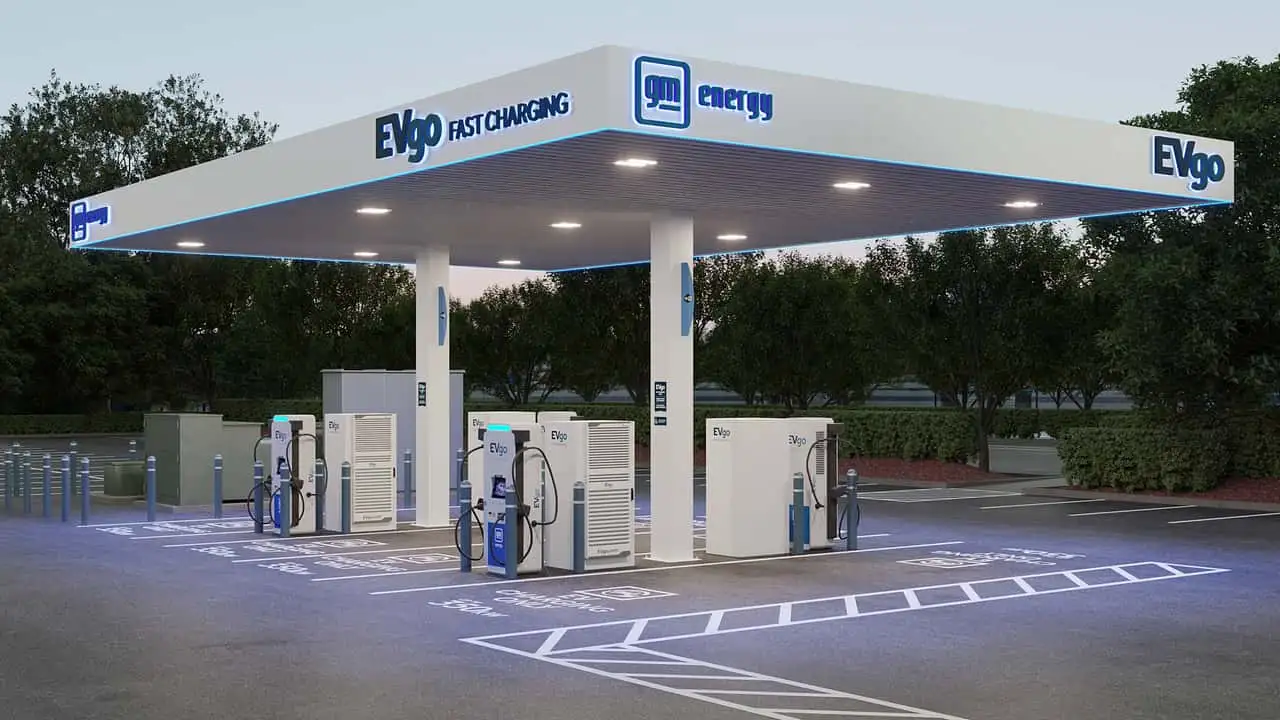
Where are you going to charge it?
With that in mind, here’s how we would approach the EV market in 2026.
What Makes a Good EV?
Before looking at individual models, it’s worth understanding what actually matters.
The most useful EV isn’t necessarily the one with the biggest battery.
Instead, look at the combination of:
- Real-world range
- Charging speed
- Charging availability
- Energy efficiency
- Battery warranty
- Price
- Interior space
- Technology
- Driving experience
- Reliability
- After-sales support
A vehicle that can travel 500 kilometres on paper but is difficult to charge where you live may be less useful than a more efficient EV with a shorter range and convenient home charging.
1. Hyundai Ioniq 5 — One of the Best All-Round EVs
The Hyundai Ioniq 5 remains one of the most interesting electric cars because it doesn’t try to win on only one specification.
It combines distinctive styling with a spacious interior, strong charging capability and useful everyday practicality.
Its large interior makes it feel more like a small crossover than a conventional hatchback.
Why consider it?
- Spacious cabin
- Fast charging capability
- Distinctive design
- Comfortable ride
- Good technology
- Strong long-distance potential
Potential drawbacks
Its unusual styling won’t appeal to everyone, and pricing can vary significantly between markets.
Best for: Buyers wanting an EV that combines everyday practicality with fast charging.
2. Hyundai Ioniq 9 — A Strong Choice for Large Families
If the Ioniq 5 is designed around practicality, the Ioniq 9 takes the idea much further.
It’s a large electric SUV designed for families that need substantial passenger and cargo space.
That makes it particularly interesting for buyers who might otherwise consider a large petrol or diesel SUV.
The downside is obvious:
It’s a large vehicle.
That means higher purchase costs and potentially higher energy consumption than a smaller EV.
Best for: Large families that want an electric alternative to a traditional three-row SUV.
3. Kia EV9 — One of the Most Practical Electric SUVs
The Kia EV9 deserves attention for essentially the same reason.
It’s one of the clearest examples of manufacturers using electric powertrains to build genuinely large family vehicles rather than simply converting small cars into EVs.
Its three-row configuration makes it useful for families.
The boxy shape also provides useful interior space.
Why consider it?
- Three-row seating
- Spacious interior
- Comfortable long-distance cruiser
- Modern technology
- Large cargo capacity
The trade-off
Large SUVs consume more energy than smaller vehicles.
If most of your driving involves one or two occupants around a city, an EV9 may be more vehicle than you actually need.
Best for: Large families and buyers who need genuine three-row practicality.
4. Tesla Model 3 — Efficiency and Long-Distance Capability
The Tesla Model 3 remains an important EV benchmark.
One of its biggest strengths is efficiency.
Rather than simply installing a massive battery, Tesla has focused heavily on getting substantial range from a relatively efficient package.
The Model 3 also benefits from Tesla’s established charging ecosystem in markets where Superchargers are available.
Why consider it?
- Strong efficiency
- Competitive range
- Good performance
- Mature software
- Extensive charging infrastructure in supported markets
What to consider
The interior design is minimalist, and some buyers may prefer a more conventional dashboard and control layout.
Availability of Tesla’s charging network also varies significantly by country.
Best for: Buyers prioritising efficiency, technology and long-distance EV travel.
5. Tesla Model Y — The Practical Tesla
For buyers who like the Model 3 but need more space, the Model Y is the obvious alternative.
It combines the general concept of the Model 3 with a taller crossover body.
That gives it:
- More cargo space
- Easier access
- Higher seating position
- Greater family practicality
The Model Y has also become one of the world’s most recognisable electric vehicles.
Best for: Families who want a practical EV with Tesla’s software and charging ecosystem.
6. Ford Mustang Mach-E — An EV With a More Familiar Driving Experience
Ford’s Mustang Mach-E takes a different approach.
Rather than making the car feel completely disconnected from conventional vehicles, Ford has tried to retain some of the characteristics drivers expect from a sporty crossover.
It offers:
- Strong acceleration
- Attractive styling
- Useful cargo space
- Modern technology
- Available all-wheel drive on some versions
It’s worth considering for buyers who want an EV but aren’t interested in an ultra-minimalist driving experience.
Best for: Drivers who want an electric crossover with a more conventional automotive character.
7. Porsche Taycan — For Drivers Who Want Performance
Not every EV needs to be about maximum efficiency.
The Porsche Taycan demonstrates what an electric performance car can do.
Its biggest selling point is driving dynamics.
The Taycan combines:
- Rapid acceleration
- Strong handling
- High-quality interior
- Excellent braking
- Fast charging capability
The trade-off is price.
It’s not designed to be an affordable family EV.
Best for: Enthusiasts who want an electric car primarily for driving enjoyment.
8. BMW i5 — A Luxury Electric Sedan
For someone who wants a premium sedan rather than an SUV, the BMW i5 is worth considering.
It combines the basic architecture and luxury character of the 5 Series with an electric powertrain.
That gives buyers:
- Premium interior
- Comfortable ride
- Strong technology
- Quiet cruising
- Available performance-oriented versions
It’s particularly attractive to drivers who don’t want their EV to look dramatically different from a conventional luxury car.
Best for: Executive and luxury-car buyers who want an electric sedan.
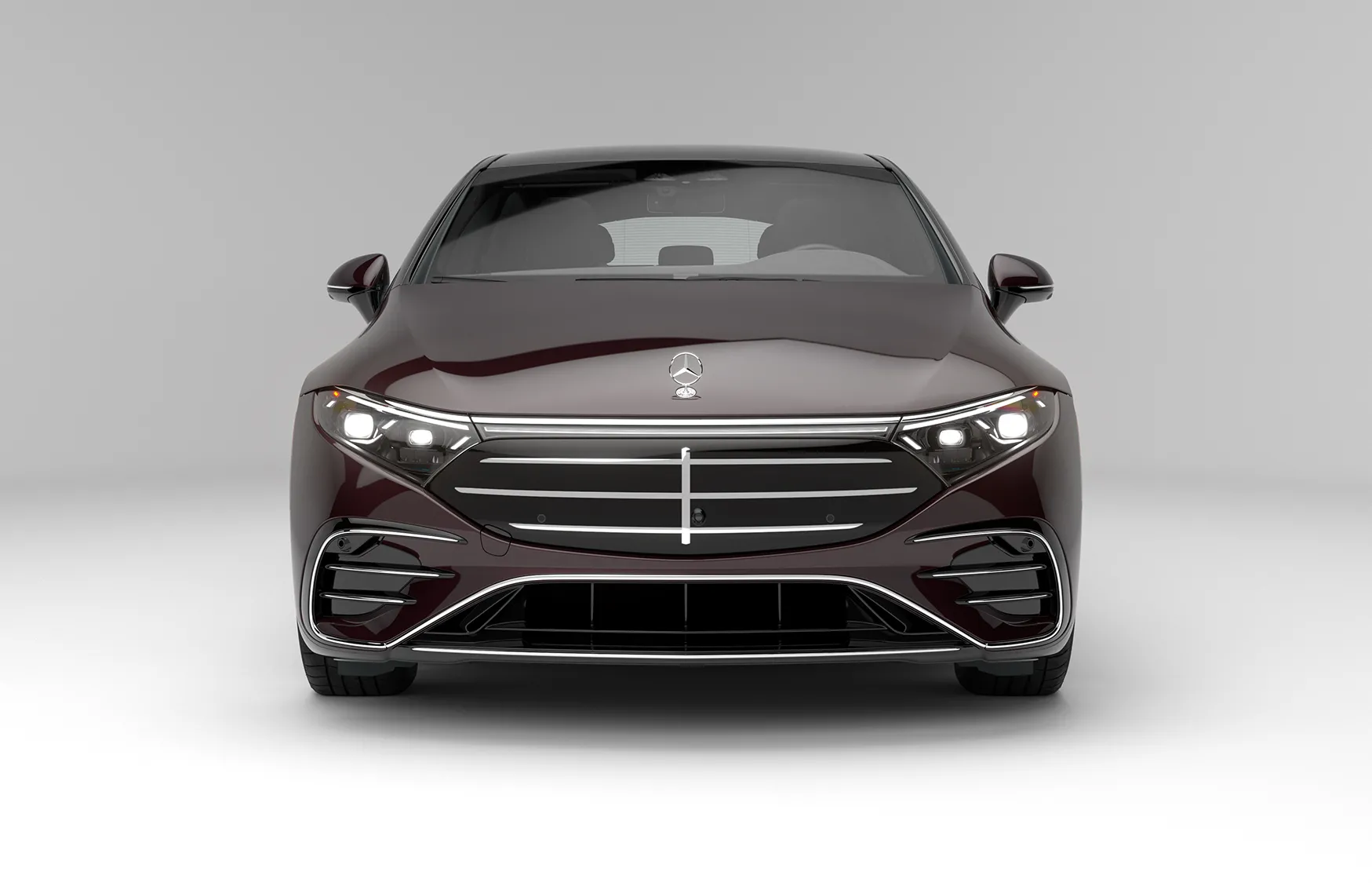
9. Mercedes-Benz CLA Electric — Efficiency Meets Luxury
Mercedes-Benz’s newer electric CLA represents another direction for EV development.
Instead of simply increasing battery size, manufacturers are increasingly focusing on aerodynamic efficiency and improved energy management.
That can allow an EV to travel farther without requiring an enormous battery.
For buyers, this matters because efficiency affects both range and charging requirements.
Best for: Buyers who want a stylish premium EV with strong efficiency.
10. Rivian R1S — A Different Kind of Electric SUV
The Rivian R1S is aimed at buyers who want something more adventurous.
It’s a large electric SUV with substantial performance and off-road capability.
Its strengths include:
- Powerful electric motors
- Large interior
- Three-row capability
- Off-road hardware
- Strong towing potential
However, it’s a large and expensive vehicle.
It’s also not equally practical in markets where Rivian doesn’t have an established sales and service network.
Best for: Buyers in supported markets who want an electric SUV capable of more than ordinary urban driving.
11. Rivian R1T — Electric Pickup for Adventure
The R1T is one of the more interesting electric pickups.
It combines the practicality of a truck with an electric drivetrain.
For buyers who regularly carry equipment or enjoy outdoor activities, the pickup format can be useful.
But again, availability and service support are critical.
An excellent vehicle isn’t necessarily a sensible purchase if parts and qualified technicians are difficult to access where you live.
Best for: Buyers who genuinely need pickup-truck capability.
12. BYD Seal — A Strong Alternative to Established EV Brands
BYD has become one of the most important EV manufacturers globally.
The Seal is particularly interesting because it offers the basic characteristics many buyers want from an electric sedan:
- Competitive range
- Strong performance
- Modern interior
- Attractive design
- Advanced battery technology
BYD’s growing global presence also makes its vehicles increasingly relevant outside China.
Best for: Buyers looking for an alternative to Tesla and traditional European EV brands.
13. Zeekr 7GT — A Look at Where EVs Are Going
Zeekr is another Chinese EV brand worth watching.
The company’s vehicles demonstrate how quickly Chinese manufacturers are developing areas such as:
- Charging speed
- Battery technology
- Software
- Interior technology
- Performance
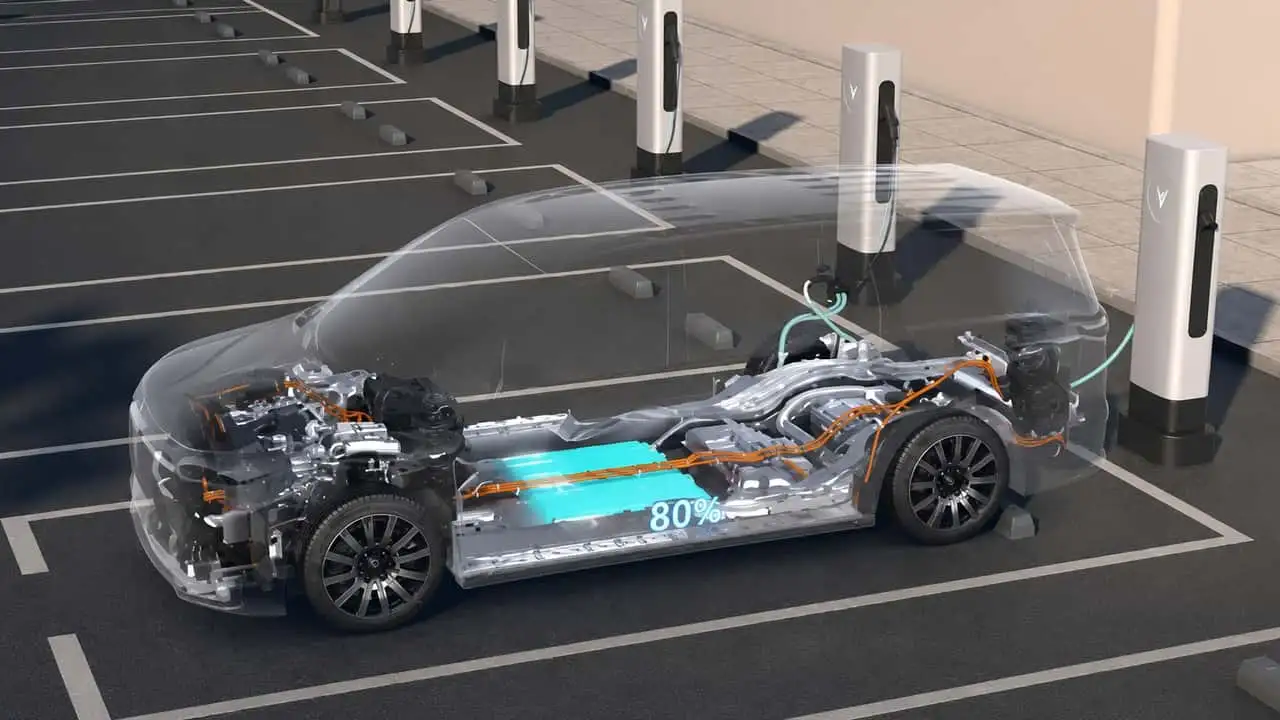
The 7GT is particularly interesting because extremely fast charging is becoming a major selling point.
But buyers should distinguish between peak charging power and actual charging performance over an entire session.
A car may advertise an impressive maximum charging figure without maintaining that power throughout the charge.
Best for: Technology-focused buyers in markets where Zeekr has official support.
14. Volvo EX30 — A Small EV With Big Ambitions
Not everyone needs a large electric SUV.
The Volvo EX30 is aimed at buyers who want something smaller.
Its compact dimensions make it potentially better suited to urban driving than a large EV.
It also carries Volvo’s focus on safety and minimalist Scandinavian design.
Why consider it?
- Compact size
- Premium interior feel
- Strong performance options
- Easy urban manoeuvrability
- Modern technology
Best for: City drivers who don’t need a large vehicle.
Don’t Choose an EV Based Only on Range
This is perhaps the most important advice in this entire guide.
Manufacturers advertise range figures using standardised testing procedures.
Real-world range can vary depending on:
- Speed
- Temperature
- Traffic
- Driving style
- Air conditioning
- Terrain
- Tyre pressure
- Vehicle load
Therefore, don’t automatically assume that the EV with the highest laboratory range will be the best road-trip vehicle.
Charging Is More Important Than Battery Size
Before buying an EV, answer this question:
Where will I charge it?
For many owners, home charging is the most convenient solution.
If you can plug the vehicle in overnight, you may rarely need to visit a public charging station.
But if you don’t have reliable access to charging at home or work, the situation changes.
You need to investigate:
- Public charging locations
- Charger reliability
- Charging speeds
- Payment systems
- Availability along your regular routes
This is particularly important in developing EV markets.
What About Charging an EV in Nigeria?
This is an area where buyers need to be realistic.
EV adoption in Nigeria is growing, but charging infrastructure remains much less developed than in leading EV markets.
That doesn’t mean an EV cannot work in Nigeria.
It means your charging strategy needs to come before your purchase.
If you have reliable electricity and suitable parking, home charging can potentially make ownership much easier.
But prospective buyers should investigate:
- Whether their home electrical system can support the charger
- The required charging equipment
- Installation requirements
- Backup power options
- Public charging availability
- Their normal daily driving distance
Don’t buy an EV first and ask where you’ll charge it later.
How Much Range Do You Actually Need?
Let’s say you normally drive 50 kilometres per day.
You don’t necessarily need an EV capable of travelling 700 kilometres between charges.
If you can charge at home every night, even a smaller battery may comfortably meet your daily needs.
On the other hand, someone who regularly travels long distances between cities may place much greater value on:
- Long range
- Fast charging
- Charging-network coverage
The correct battery size depends on your driving pattern.
EV Battery Life: Should You Be Worried?
Battery degradation is one of the biggest concerns among potential EV buyers.
Modern EV batteries are designed to last for many years and typically retain a substantial proportion of their original capacity after significant use.
But battery condition varies.
If you’re buying a used EV, investigate:
- Battery health
- Remaining warranty
- Charging history where available
- Vehicle mileage
- Previous use
- Manufacturer battery warranty
For a used EV, battery health can be just as important as mileage.
New EV or Used EV?
A used EV can be an attractive way to enter electric mobility at a lower price.
But the buying process is slightly different from buying a used petrol car.
You need to pay particular attention to the battery.
Ask for:
- Battery health information
- Charging history where available
- Warranty information
- Service records
- Diagnostic results
Also check the condition of the tyres.
EVs can be heavy and produce instant torque, both of which can contribute to tyre wear.
EVs Aren’t Maintenance-Free
This is another common misconception.
EVs eliminate many conventional engine-related maintenance tasks.
There is no conventional engine oil to change, for example.
But EVs still have:
- Tyres
- Brakes
- Suspension
- Steering components
- Cabin filters
- Cooling systems
- 12-volt batteries
- High-voltage components
Regenerative braking can reduce wear on friction brakes, but the braking system still needs inspection.
Which EV Is Best for You?
Rather than naming one universal winner, match the vehicle to your needs.
| Your priority | Type of EV to consider |
|---|---|
| City driving | Compact EV |
| Family practicality | Electric SUV |
| Three rows | Large electric SUV |
| Long-distance travel | Efficient EV + fast charging |
| Performance | Performance EV |
| Luxury | Premium EV |
| Adventure | Electric SUV/pickup |
| Lower purchase price | Smaller EV or used EV |
| Maximum efficiency | Aerodynamic, lightweight EV |
There is no single “best EV.”
There’s only the EV that makes the most sense for your particular situation.
What Nigerian Buyers Should Consider
For a Nigerian buyer, I’d put these factors near the top of the list:
1. Charging
Can you charge reliably at home or work?
2. Electricity
Do you have a dependable source of electricity or a suitable backup system?
3. Parts
Can replacement parts be obtained locally or through reliable importers?
4. Service
Are technicians familiar with the vehicle?
5. Battery warranty
Where can warranty work be performed?
6. Ground clearance
Does the vehicle suit the roads you regularly use?
7. Air conditioning
How much does climate affect your real-world energy consumption?
8. Resale
Is there a genuine second-hand market for the model?
9. Import support
If the model isn’t officially sold locally, how will you handle parts, software and repairs?
These questions may matter more than whether an EV can achieve an impressive range figure in a laboratory test.
Our EV Buying Checklist
Before buying any electric car, ask:
Range
- What is the official range?
- What is the likely real-world range?
- How does the vehicle perform with heavy air-conditioning use?
Charging
- What charging connector does it use?
- How quickly can it charge?
- Where can I charge it?
- Can I charge at home?
Battery
- What is the battery warranty?
- What is the expected degradation?
- If used, what is the battery health?
Ownership
- Are parts available?
- Is there local service support?
- What does insurance cost?
- What are the tyres like?
Practicality
- Is the boot large enough?
- Is there enough rear-seat space?
- Is the ground clearance suitable?
Financial
- What is the purchase price?
- What will charging cost?
- What will insurance cost?
- What will maintenance cost?
- How easy will it be to resell?
GoGreenway Verdict
The electric-car market in 2026 is no longer about simply finding the vehicle with the biggest battery.
The best EV for you depends on how you drive, where you live and how easily you can charge.
For some buyers, a compact EV makes far more sense than a large electric SUV.
For others, long-distance range and fast charging will be the priorities.
And for buyers in emerging EV markets such as Nigeria, charging infrastructure, service support and parts availability can be just as important as the vehicle’s specifications.
The smartest EV purchase isn’t necessarily the newest or most expensive model.
It’s the one that fits your lifestyle, your budget and your charging reality.
Before buying the car, solve the charging problem.
Once that is sorted, choosing the right EV becomes much easier.
Sources
- Cars.com: Cars.com’s Top EV Picks of 2026
- EPA — EV efficiency and range information
- U.S. Department of Energy / Alternative Fuels Data Center — charging and EV ownership information
- NHTSA — vehicle safety and recalls Manufacturer specifications — battery, charging and range information
- Independent road tests — real-world efficiency and charging performance